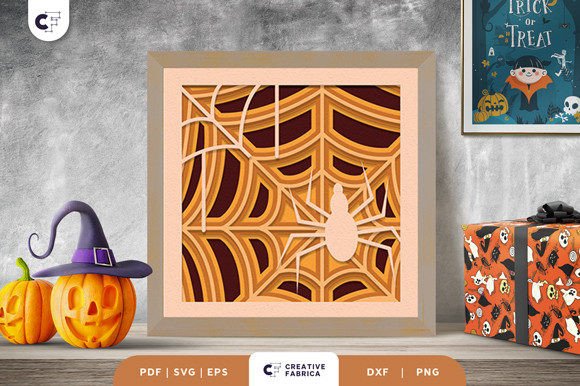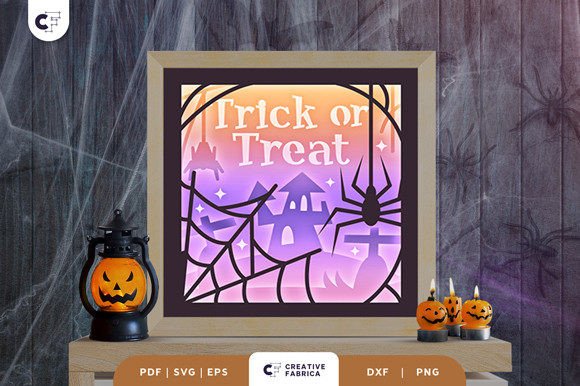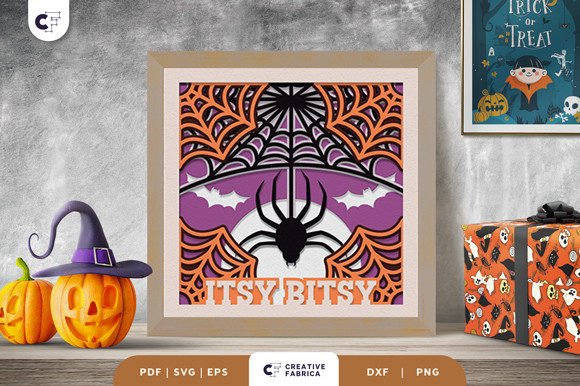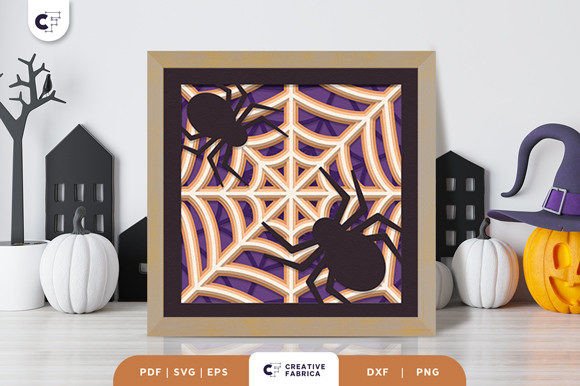
3D Halloween Spider Web Papercut Design
Transforming a flat screen into a tangible, atmospheric experience is the hallmark of exceptional visual design. When you introduce a 3D Halloween Spider Web Papercut into your creative workflow, you instantly elevate the narrative depth of any seasonal project. This specific aesthetic moves beyond simple decoration; it represents a sophisticated layering technique that adds dimension, shadow, and texture to digital and physical media alike. For graphic designers and brand managers, mastering this style offers a unique opportunity to capture attention in a crowded marketplace by leveraging the psychological impact of depth and mystery.
The Power of Depth in Visual Communication
In modern graphic design, flat imagery often struggles to convey emotion as effectively as multi-dimensional compositions. A 3D papercut effect creates a compelling visual hierarchy, guiding the viewer's eye through distinct layers of content. This technique is particularly effective for holiday-themed campaigns where atmosphere is paramount. By utilizing intricate spider web patterns and shadow play, designers can evoke a sense of unease or wonder that resonates deeply with audiences during the Halloween season.
From a branding perspective, incorporating these complex assets demonstrates a commitment to high-quality visual design. It signals to your audience that your brand values detail and creativity. Whether used in a logo design variation for a limited-time event or as a background element in a marketing email, the layered nature of a 3D Halloween Spider Web Papercut adds a premium feel that standard clipart simply cannot match. The interplay of light and shadow inherent in this style mimics real-world physics, making the digital experience more immersive and engaging.
Practical Applications Across Design Disciplines
The versatility of this design asset extends far beyond a single application. Here are several ways to integrate this aesthetic into your professional projects:
- Social Media Graphics: Create stop-motion animations or carousel posts where each slide reveals a new layer of the spider web, increasing user engagement and dwell time.
- Packaging Design: Use the concept of layering on product boxes to create a tactile, unboxing experience that feels luxurious and thematic.
- Editorial Layouts: Enhance magazine spreads or blog headers with 3D cutout effects to break up text and add visual interest without overwhelming the typography.
- Web and UI Design: Implement subtle parallax scrolling effects inspired by papercut art to improve UX design and guide users through a website's narrative.
- Advertising Campaigns: Develop print ads that utilize die-cut techniques to physically replicate the 3D effect, creating a memorable interaction for potential customers.
Executing the Design: From Concept to Reality
Successfully implementing a 3D Halloween Spider Web Papercut requires careful planning regarding your color palette and material choices. While digital mockups provide a preview, the final output relies heavily on the quality of the assets and the medium used. For physical applications, such as shadow boxes or light boxes, the choice of cardstock is critical. High-weight paper, like Encore Cardstock 80 lb cover (216 gsm), ensures clean cuts and structural integrity, allowing the layers to stand apart without bending.
When working digitally, consider how lighting affects your composition. In a 3D light box scenario, the light source acts as a dynamic variable, casting shadows that define the intricate spider details. Designers should prepare their files in versatile formats—such as SVG, PDF, EPS, PNG, and DXF—to ensure compatibility across various production methods, from laser cutting to vector rendering. A typical project might involve six distinct layers within a 20.32×20.32 cm frame, requiring precise alignment to maintain the illusion of depth.
Tips for Seamless Integration
To maximize the impact of these creative assets, focus on consistency and scalability. Ensure that the complexity of the spider web does not compromise readability if paired with text. Maintain a strong visual hierarchy where the 3D elements support, rather than distract from, your core message. Additionally, always test your designs under different lighting conditions, as the final product color may vary slightly due to environmental factors. By selecting high-quality resources and understanding the mechanics of layering, you can produce work that encapsulates the beauty and thrill of Halloween while adhering to professional design standards.
Ultimately, thoughtful design choices transform simple concepts into powerful communication tools. Whether you are crafting a whimsical decor item for children or a spooky brand identity for a corporate campaign, the strategic use of 3D papercut aesthetics enhances both the visual appeal and the emotional resonance of your work. Embrace these intricate elements to push the boundaries of your creative projects and deliver a truly unforgettable experience for your audience.